
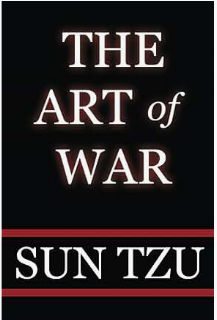

Sun Tzu’s “The Art of War” is a timeless masterpiece that transcends its original military context. Written over 2,500 years ago, this ancient Chinese text offers profound insights that resonate far beyond the battlefield, making it a must-read for anyone interested in strategy, leadership, and personal growth.
Sun Tzu, a mysterious figure shrouded in history, was a Chinese general, military strategist, and philosopher. His work distills centuries of martial wisdom into concise, poetic maxims that have influenced countless leaders across various fields.
The book’s enduring appeal lies in its universal principles. Sun Tzu emphasizes the importance of knowing oneself and one’s opponent, advocating for victory through strategic maneuvering rather than brute force. His famous quote, “Supreme excellence consists in breaking the enemy’s resistance without fighting,” encapsulates this philosophy perfectly.
What struck me most about “The Art of War” is its applicability to modern life. Whether you’re navigating office politics, managing a team, or even improving personal relationships, Sun Tzu’s teachings on adaptability, deception, and resource management offer valuable guidance.
Why does this book relevant?
The book’s brevity is its strength – each chapter is densely packed with wisdom, rewarding multiple readings and deep reflection. I found myself constantly drawing parallels between Sun Tzu’s military strategies and everyday challenges, from business competitions to personal goal-setting.
For contemporary readers, “The Art of War” serves as a manual for effective decision-making and conflict resolution. It teaches us to be mindful of our strengths and weaknesses, to seize opportunities, and to achieve our objectives with minimal resistance – lessons as relevant today as they were millennia ago.
Questions to ponder:
1. How might Sun Tzu’s principle of “knowing yourself and your enemy” apply to your personal or professional life?
2. In what ways can the concept of “winning without fighting” be implemented in modern conflict resolution?
3. How do Sun Tzu’s teachings on adaptability and flexibility resonate with the challenges of our rapidly changing world?


0 Comments